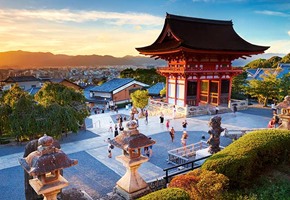


Northern Spain delivers an extraordinary mix of history, food and some of the most distinctive hotels in the country, most notably the Paradores.
On a recent journey through the region with colleagues, we visited a number of hotels, restaurants, towns and excursion destinations that feature in our range of tours. Travelling from Bilbao to Santiago de Compostela and on to Madrid was a special experience, and I will be revisiting some of the places on a future holiday.
Bilbao to Oviedo: From the Basque Country to Asturias
Bilbao was a striking place to begin, with industrial heritage sitting side by side with contemporary culture. The Guggenheim may have been the headline act, but the wider appeal lay in its old quarter and the deeply rooted Basque food culture of pintxos, salt cod, anchovies and crisp txakoli wines.
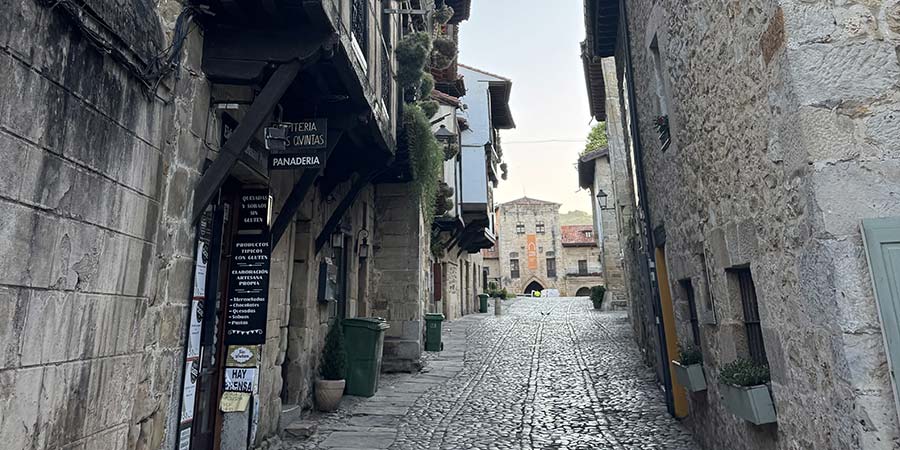
After a short drive to Santillana del Mar, I felt as if I'd stepped into a medieval painting. With cobbled lanes, honey-hued stone houses and a calm, almost theatrical beauty, it seemed suspended in time.
This was where I first encountered those participating in their own travels and pilgrimage. There was something evocative about seeing pilgrims on the path in this historic village, as if the journey was already beginning to reveal its emotional pull. Santillana's medieval atmosphere made the idea of pilgrimage feel tangible and rooted in history, a quiet reminder that these roads have long guided people in search of faith, meaning and arrival.
My next stop, Oviedo, brought a different mood. Its historic squares, streets and pre-Romanesque legacy gave the city real depth, while the local food, from the rich Asturian stew called fabada to regional cheeses and cider, also impressed.
Santiago de Compostela
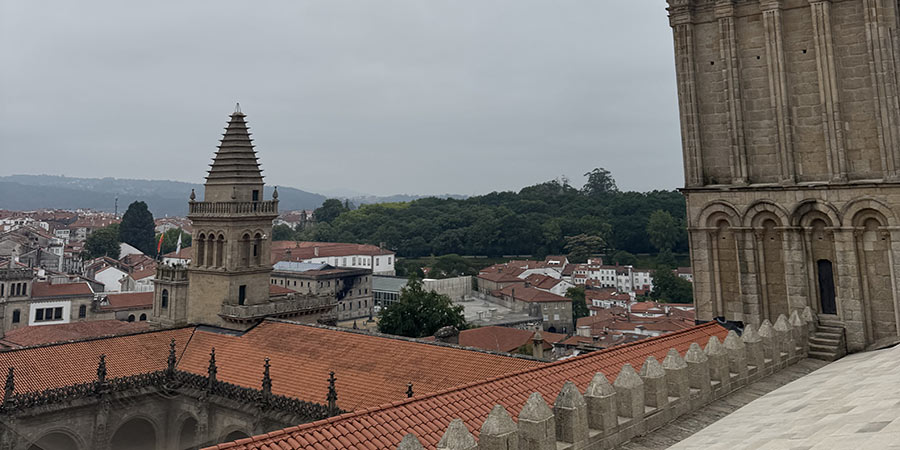
Much of this city's emotional charge comes from the cathedral and the life that surrounds it. One of the most exceptional experiences in the city is the guided visit to the cathedral's rooftop, which takes visitors up through the building and out across the stone roofs. Continuing to the Carraca Tower, you can enjoy sweeping views over Santiago and the Galician landscape.
Walking across the full roof of the cathedral is what makes the experience so special. It is not simply a viewpoint but a genuine route across the upper structure of one of Spain's most important religious monuments, offering a rare sense of the cathedral's scale, craftsmanship and symbolism, all paired with incredible views across the city.
Back in the main square, Praza do Obradoiro, the atmosphere is unforgettable. As the monumental heart of Santiago, it remains the place where pilgrims complete the Camino de Santiago, creating a constant flow of arrivals, celebration and emotion in front of the cathedral.
Watching people finish their pilgrimage there added something deeply human to the city. Relief, joy, exhaustion and pride all played out in the square, and it gave Santiago an energy that went far beyond its architecture and monuments.
A walking tour of the city with Sisou added another layer entirely, bringing out hidden corners and local stories.
A flavour of Castile in Valladolid
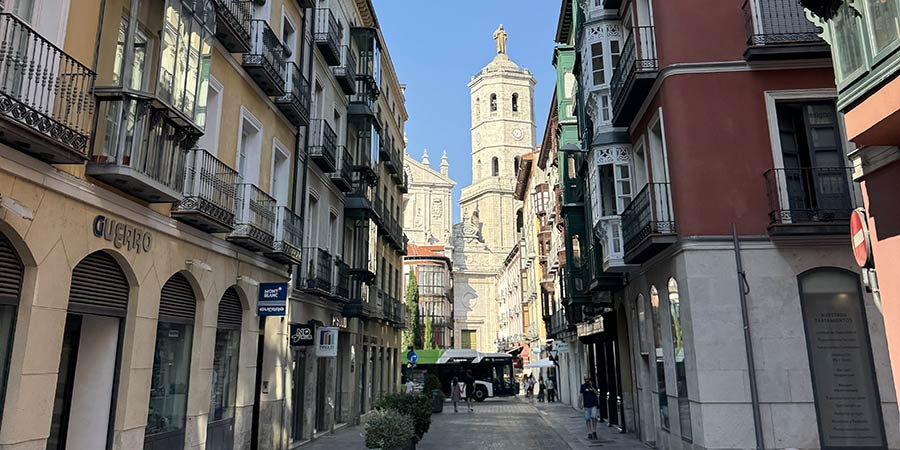
With a strong Castilian identity, Valladolid's history was reflected in its broad avenues and palaces. We stayed at Hotel Valladolid Recoletos, which was centrally located and made exploring on foot easy.
One of the highlights of my time here came at Vinoteca Señorita Malauva Maridaje Boutique. In the heart of Valladolid's old quarter, it placed an emphasis on gourmet pairings and highly personalised tasting experiences.
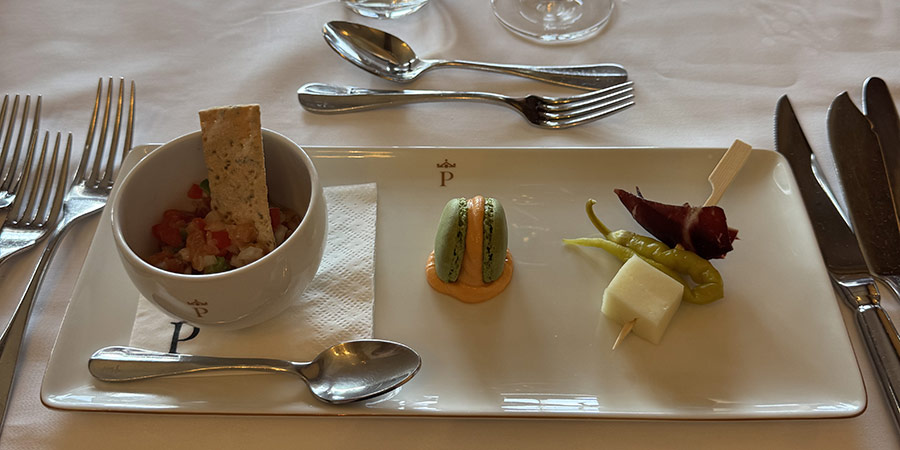
What made the experience stand out was the food and wine. Menus featured artisan cheeses from Castilla y León, terrines, anchovy-based dishes, bacalao dishes, peppers, stuffed onions and braised pork cheeks, all matched with carefully selected wines.
And the wine is just as appealing, with Señorita Malauva leading tastings across whites, rosés, fortified wines and reds. It was the ideal place to explore the wider wine culture of Castilla y León through tastings of Ribera del Duero, Rueda and Toro, all of which felt entirely at home in Valladolid.
Paradors of northern Spain
One of the most distinctive features of travel in Spain, the Parador hotels combine heritage, architecture and hospitality in a way that few hotel groups can match. In Santiago, the Parador connects guests directly with the story of pilgrimage and the great square; in Santo Estevo, it places them inside a former monastery in the Ribeira Sacra; and in Benavente, it ties the stay to the remains of a historic fortress and the remarkable Caracol Tower.
That is what makes them more than simply beautiful places to stay. They deepen the journey, turning accommodation into part of the cultural experience itself and giving travellers a more meaningful connection to the history, food and feeling of each destination.
Parador de Santiago de Compostela
This is not just a luxury hotel but one of the most historically significant places to stay in Spain.
Located on Praza do Obradoiro beside the cathedral, it was commissioned after the Catholic monarchs' visit to Santiago and built in the early 16th century as a place of care for pilgrims arriving at the end of the Camino. Preserving its ornately decorated façade and place at the heart of the city, it was later transformed into one of the most emblematic Paradores in the country.
Being here felt very different from a standard luxury hotel. The building's grand corridors, cloisters and historic interiors created a sense that you are not simply near Santiago's history but inside it, with the life of the square and the arrival of pilgrims just beyond the doors.
Parador de Santo Estevo
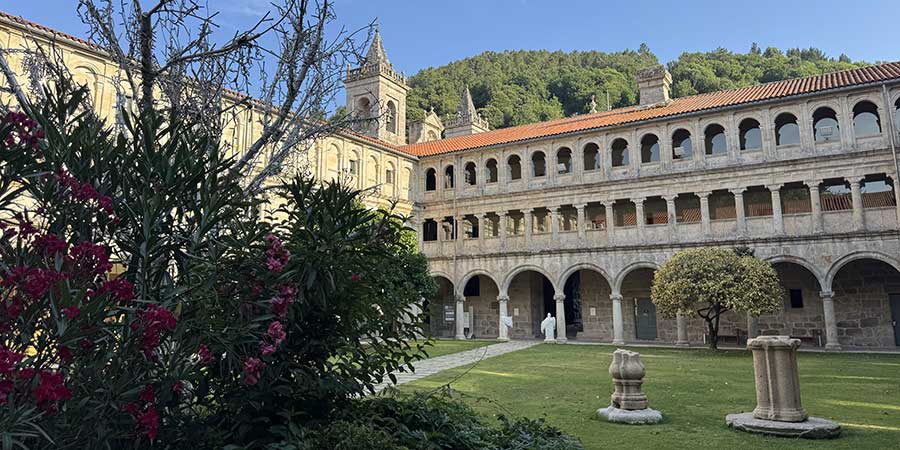
One of the most extraordinary hotel experiences in Galicia, this parador is set in a former Benedictine monastery in the heart of the Ribeira Sacra. It's surrounded by thick woodland and dramatic river landscapes, giving it an immediate sense of calm, seclusion and grandeur.
Its origins date back at least to the 10th century, although some historical accounts place the foundation as early as the 6th or 7th centuries. Over time, the monastery evolved through different architectural phases, which is why the building now carries a rich mix of influences.
One of the most remarkable features of Santo Estevo is its three cloisters: Romanesque, Gothic and Renaissance. Together, these give the property a layered beauty that makes simply walking through it feel like part of the experience.
What makes Santo Estevo especially memorable is the relationship between architecture and setting. Hidden within the woods of the Ribeira Sacra and close to the Sil and Miño rivers, it has the kind of peace that encourages you to slow down completely, making it a perfect example of why Parador hotels are so much more than places to sleep.
This is one of those rare hotels where the building itself becomes a destination. Staying in a restored monastery, moving through ancient cloisters and looking out over forested Galicia gives the whole experience a contemplative quality that stays with you long after you leave.
Parador de Benavente
The drive to the Parador de Benavente brought in a stronger sense of grandeur and historical drama. The Parador occupies the site of a fortress associated with King Ferdinand II of León, and the most striking surviving feature is the Torre del Caracol, the Snail Tower, the last major remnant of the old castle-palace complex.
This is where the Parador concept comes into its own again: you are spending the night within a place shaped by centuries of political, military and architectural history, yet still enjoying comfort and atmosphere that makes the stay feel genuinely special.
Uncover northern Spain
Ending the journey in Madrid offered the chance to place to reflect on the journey. Northern Spain left such a powerful impression not because one destination outshone the others, but because each stop contributed something different.
Experience the Paradors of Northern Spain with Great Rail Journeys.